
Insulation Comparison for Chicagoland Homes & Buildings
Understanding the Differences in Insulation Performance
Choosing the right insulation system in Elk Grove Village and the surrounding Chicagoland suburbs depends on performance, air sealing ability, moisture control, and long-term durability.
Not all insulation works the same way. Some materials only slow heat transfer, while others create a full air and moisture barrier. In Chicago’s freeze-thaw climate, these differences directly affect comfort, energy bills, and long-term building performance.
Innovative Insulation Solutions provides multiple insulation systems and concrete leveling services. Each one solves a specific problem, and this page breaks down exactly how they compare so you can choose the right solution for your property.
Request a Free Estimate
Contact Us
We will get back to you as soon as possible.
Please try again later.
How Each System Performs in Real Conditions
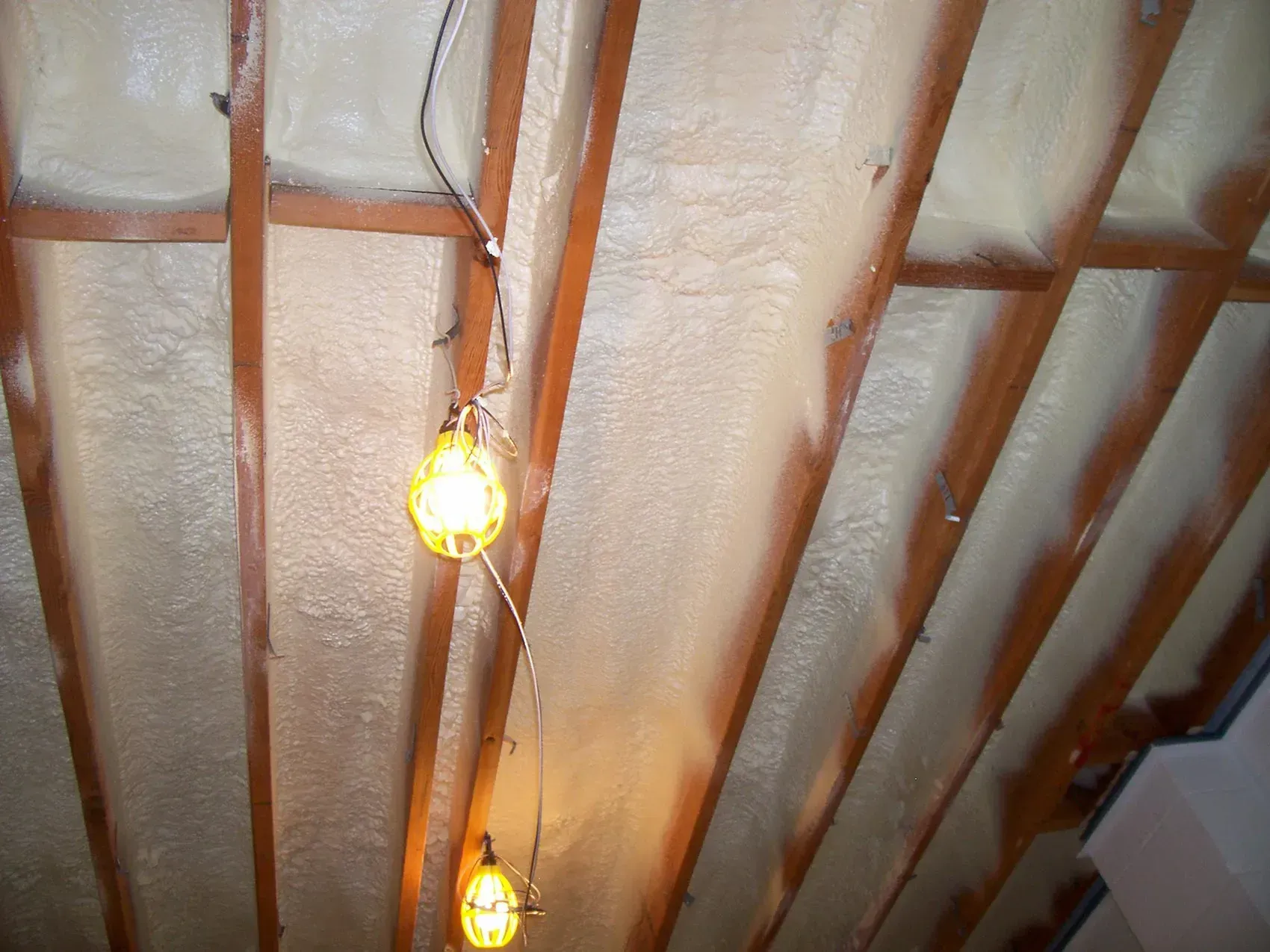
Spray foam insulation systems perform differently depending on the application and building conditions. They are designed to improve air sealing, energy efficiency, and overall comfort in residential and commercial structures.
Open cell spray foam is best used in interior spaces where sound control and flexibility are important. It provides good air sealing but is not designed for high moisture areas.
Closed cell spray foam delivers higher density performance with added moisture resistance and structural strength. It is commonly used in basements, exterior walls, and areas that require stronger protection.
Masonry block insulation is designed for concrete block walls and is typically used in basements and commercial buildings. It helps reduce heat loss through masonry surfaces.
Attic insulation focuses on controlling heat transfer through the roof system. It helps stabilize indoor temperatures and reduces strain on HVAC systems.
Crawl space insulation is used to control moisture, reduce cold air intrusion, and improve overall energy efficiency from beneath the home.
Concrete leveling is a separate structural service that restores sunken or uneven concrete surfaces. It improves safety and stability in areas such as driveways, sidewalks, patios, and garage floors.
Matching the Right Solution to the Right Area
Walls & Framing Systems
Spray foam insulation is used to seal gaps and improve energy efficiency in wall cavities.
Attics & Roof Areas
Attic insulation and spray foam help reduce heat loss and improve HVAC performance.
Basements & Block Walls
Closed cell spray foam and masonry block insulation help control moisture and heat transfer.
Crawl Spaces
Crawl space insulation reduces humidity, cold floors, and air leakage into the home.
Exterior Concrete Surfaces
Concrete leveling restores uneven slabs and improves safety and drainage.
How These Systems Compare in Key Areas
| Service | Main Purpose | Best Used For |
|---|---|---|
| Spray Foam Insulation | Full insulation + air sealing | Whole building systems |
| Open Cell Spray Foam | Interior insulation + sound control | Interior walls, ceilings |
| Closed Cell Spray Foam | High-performance insulation + moisture barrier | Basements, exterior walls |
| Masonry Block Insulation | Thermal protection for block walls | Basements, commercial block walls |
| Attic Insulation | Heat control at roof level | Attics and roof systems |
| Crawl Space Insulation | Moisture + air control under home | Crawl spaces |
| Concrete Leveling | Structural surface repair | Driveways, sidewalks, patios |
Why Property Owners Use Multiple Systems Together
Complete Building Efficiency
Different systems solve different problem areas across the structure.
Better Energy Performance
Reduces heating and cooling loss through targeted insulation solutions.
Moisture Protection
Closed cell foam and crawl space systems help control humidity and condensation.
Improved Indoor Comfort
Eliminates drafts, temperature swings, and cold zones.
Long-Term Durability
Spray foam and structural solutions are designed for long-lasting performance.
Full Property Coverage
From attic to crawl space to concrete surfaces, every area is addressed.
What Our Clients Say
Frequently Asked Questions About Insulation Comparison in Chicagoland
What is the biggest difference between spray foam and traditional insulation?
Spray foam provides air sealing and insulation in one system, while traditional insulation mainly slows heat transfer.
Is closed cell or open cell better?
Closed cell is better for moisture resistance and strength, while open cell is better for interior sound control.
Do I need both attic and wall insulation?
Yes, different areas of the home lose energy in different ways and may require different systems.
Where is crawl space insulation most important?
It is most important in homes with cold floors, moisture issues, or high humidity levels.
Does masonry block insulation really make a difference?
Yes, it reduces heat loss through concrete block walls, especially in basements.
Is concrete leveling related to insulation?
No, it is a structural service used to lift and stabilize sunken concrete surfaces.
Can all insulation types be combined?
Yes, many homes use a combination of spray foam, attic insulation, and crawl space insulation.
Request a Free Estimate
Contact Us
We will get back to you as soon as possible.
Please try again later.